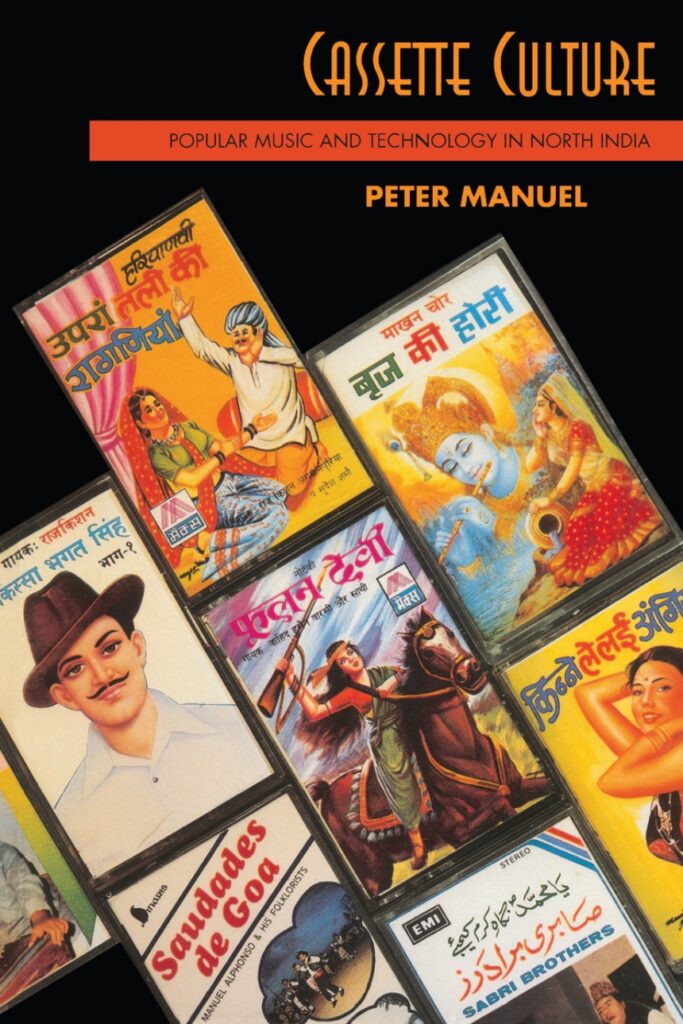
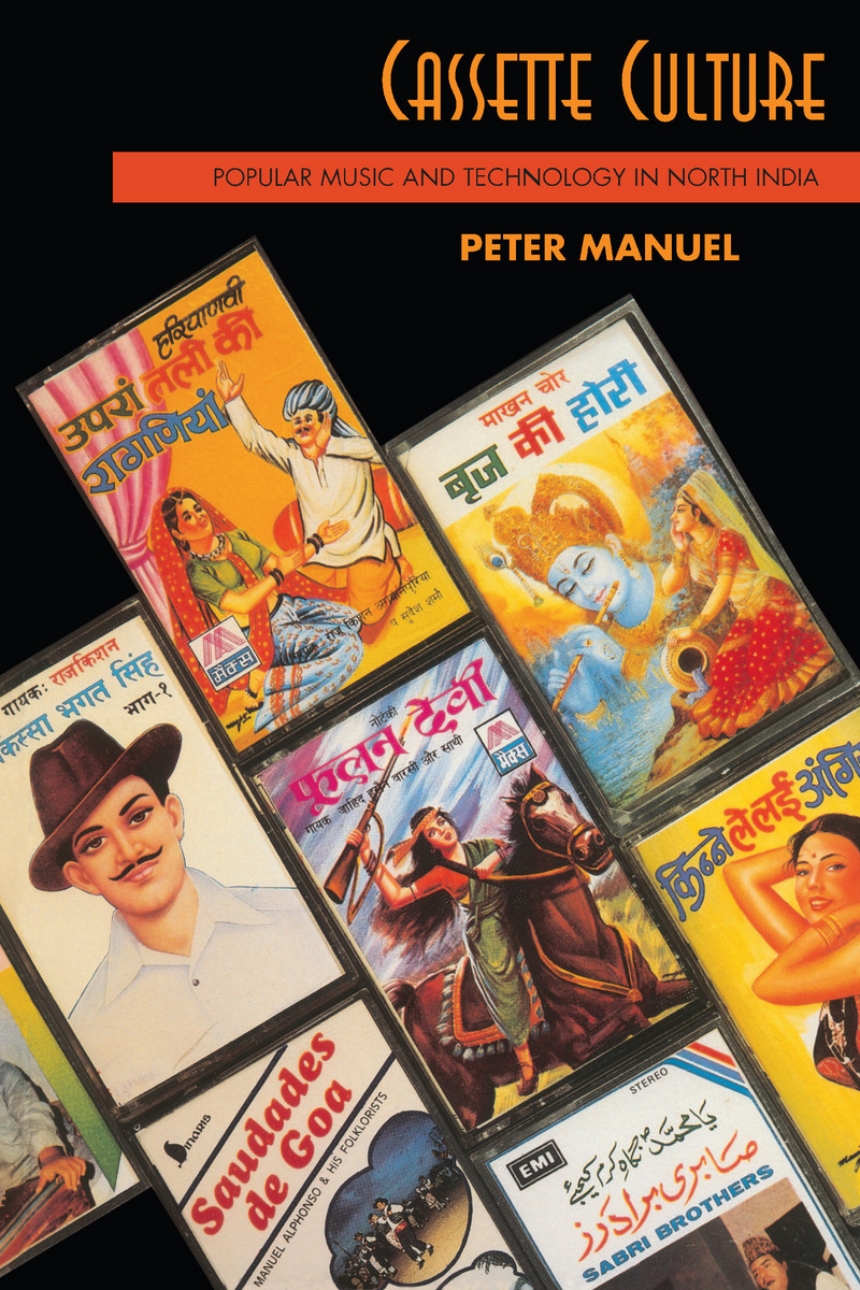
Cassette Culture Technology Music and the Politics of Listening
At first look, the book Cassette Culture: Popular Music and Technology in North India could come across as simply tracing how music and tech evolved together there. Yet when examined more closely, its real purpose reveals itself – not only talking about songs or machines, but digging into tangled webs of influence involving society, commerce, speech, faith, place, and authority. When released in 1993, Peter Manuel’s work set out to reveal shifts brought by cassette tapes – how they redefined what people heard, where, and why. Through this lens, sound changes shape, meaning expands, daily life adjusts.
For Manuel, the cassette isn’t only about holding songs – it shapes a fresh cultural world. He sees its spread as shifting how music gets made, shared, moved around. Because of this shift, tunes stop being just creative expression – they link up with influence, commerce, control. The tape rewires sound into something bigger than art.



Technology Shapes Society A key point in the book is how tech isn’t just a passive gadget sitting around waiting to be used. When cassettes reached North India, everything changed behind the scenes of music production. Before that moment, big firms or central authorities held nearly all power over recordings. Yet cassette machines cost little, could copy sounds fast, were made nearby – suddenly anyone might make tunes. This opened doors wide for voices once shut out by expense and distance.
Technology shapes society through human choices The book makes a key point clear right away: tech isn’t just some lifeless gadget sitting still. When cassettes landed in North India, everything shifted – power moved quietly but fast. Before that moment, big firms held tight grips on who could record what. Suddenly though, cost dropped, copying got simple, production turned local. Music stopped belonging only to those at the top. Ordinary voices found ways through tape hiss and plastic shells. Now more folks from poor areas could make and share music too. Power in the music scene shifted away from big centers because tapes were easy to copy and pass around. According to Manuel, this opened doors for everyday people to shape culture. Suddenly, creating wasn’t just for experts anymore.
Democratization or New Conflicts? Far from cheering every shift, the writer stays cautious. He sees tech spreading beyond central control but doubts it always lifts society. While cassettes helped voices in local tongues emerge – alongside forgotten traditions and grassroots songs – they opened space for deeper splits too, feeding narrow beliefs and backward-looking movements. Sometimes tapes spread religious messages, stir up group tensions, or push political agendas. Because of this, tape-based culture can open space for diverse voices yet still fuel disagreement. The tension between these outcomes gives the book’s examination real weight.
The Sound And Silence Of Public Voice What happens when ordinary folks gain control of a communication channel? That sits at the heart of Manuel’s thinking. He points out, though, that just because access spreads widely, democracy doesn’t necessarily follow. His view suggests things are messier than they first appear. Though cassettes erode top-down power, they don’t replace it with one unified voice. Scattered groups – spanning regions, tongues, beliefs, social ranks – start speaking up on their own terms. The shared space of discussion widens because of this, yet splinters into clashing pieces just as fast. Because of this, cassette culture becomes something like a layered space for public voice – different groups step in to share ideas, yet what they say isn’t necessarily fair or forward-thinking.
A New Way to Understand Popular Music
What made Manuel stand out? He saw popular music differently. Not simply tunes folks enjoy. Instead, he viewed it as sound shaped by factories of culture. Music built for sale. Tied tightly to television, radio, newspapers. Crafted not by crowds but by systems pushing records. His take shifted how we hear what’s called mainstream. Seen one way, lines separating folk tunes, classical pieces, and mainstream songs start to fade. Take a local folk tune pressed onto tape – it doesn’t stay just folk; it isn’t quite pop either. Instead, something in between begins to take shape. What emerges sits halfway, shaped by both worlds at once.
The Connection of Market and Culture
What stands out in the book is its refusal to treat market and culture as opposites. Instead of framing them as conflicting forces, Manuel demonstrates how cassette tech helped regional languages thrive musically. At the same time, those gains came with shifts – shaped by commercial demands – that altered how music was made and shared. Even as local voices found new reach, their sound began reflecting what sold. Few shifts pushed tunes toward flashier, market-driven styles – some crossed into offensive territory. Still, those same turns spotlighted voices once ignored by mainstream culture. Realism in the book comes from holding both truths at once.
Language Politics Music
One big part of the book looks at ghazal music. Through Manuel’s eyes, the story of ghazal unfolds alongside shifts in language and culture. Following independence, tension grew – Hindi on one side, Urdu on the other. Government choices about which languages to support played a role. So did how society viewed Urdu. All these things shaped whether people kept listening to ghazals. A fresh look at sound begins by questioning old ideas about art. Politics shapes how songs travel through culture, not just taste. Language carries tunes into battles over identity. National pride often hides inside melodies people claim as their own. Listening changes when power enters the picture. Meaning shifts under historys weight. Music does more than entertain – it joins fights for belonging.
From Cassettes to Social Media
Far from outdated, Manuell’s thinking fits neatly beside modern tech life. Because cassette players let anyone copy tapes fast and affordably, control over media slipped away from big studios – much like what happens now when posts spread without permission across platforms. A tape hissed into life where power once lived behind closed doors. Not only did voices scatter far beyond old gates, yet silence grew louder in its own way. Though pages hold what came before, they speak closely to how screens now sway belief. What hums inside circuits today walked first on magnetic strips. Even when networks feel new, their roots crackle beneath rewound reels.
Conclusion
From one angle, Cassette Culture invites fresh thinking about how tools shape human life. Not simply gears and wires, but everyday listening reshaped who holds influence. What looks like progress often hides shifts in control. Through tapes, voices once silenced found new paths. It wasn’t only machines evolving – people rearranged the rules too. Quietly, something ordinary rewired authority. Folks found new ways to speak up thanks to cassette tapes – yet not every message pushed things forward. So when tools spread wide, understanding doesn’t necessarily follow the same path.
What stands out most in the book hits quietly at first. When machines shift how people live, it isn’t the gadgets steering the outcome – beliefs do, habits do, power does. Culture shapes where things go, not circuits.